
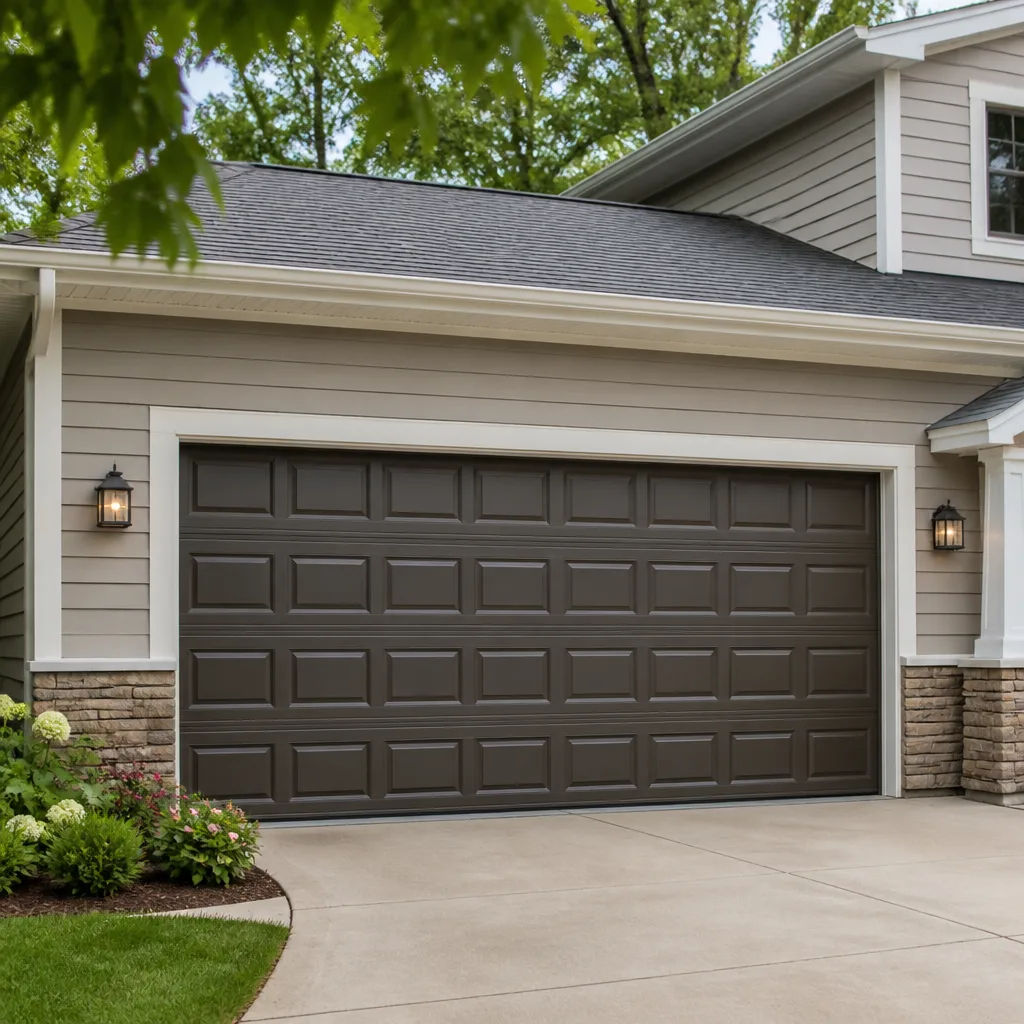
 Raised-panel steel
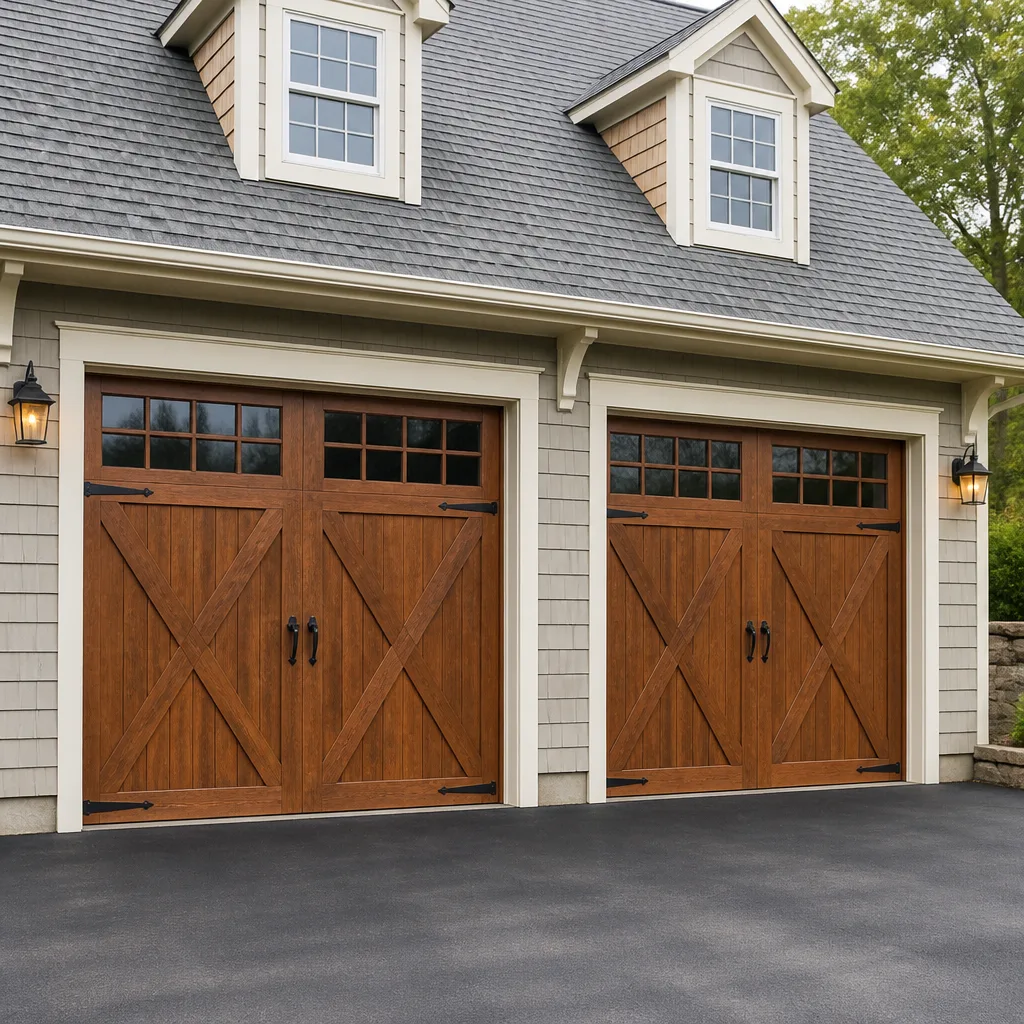 Carriage house
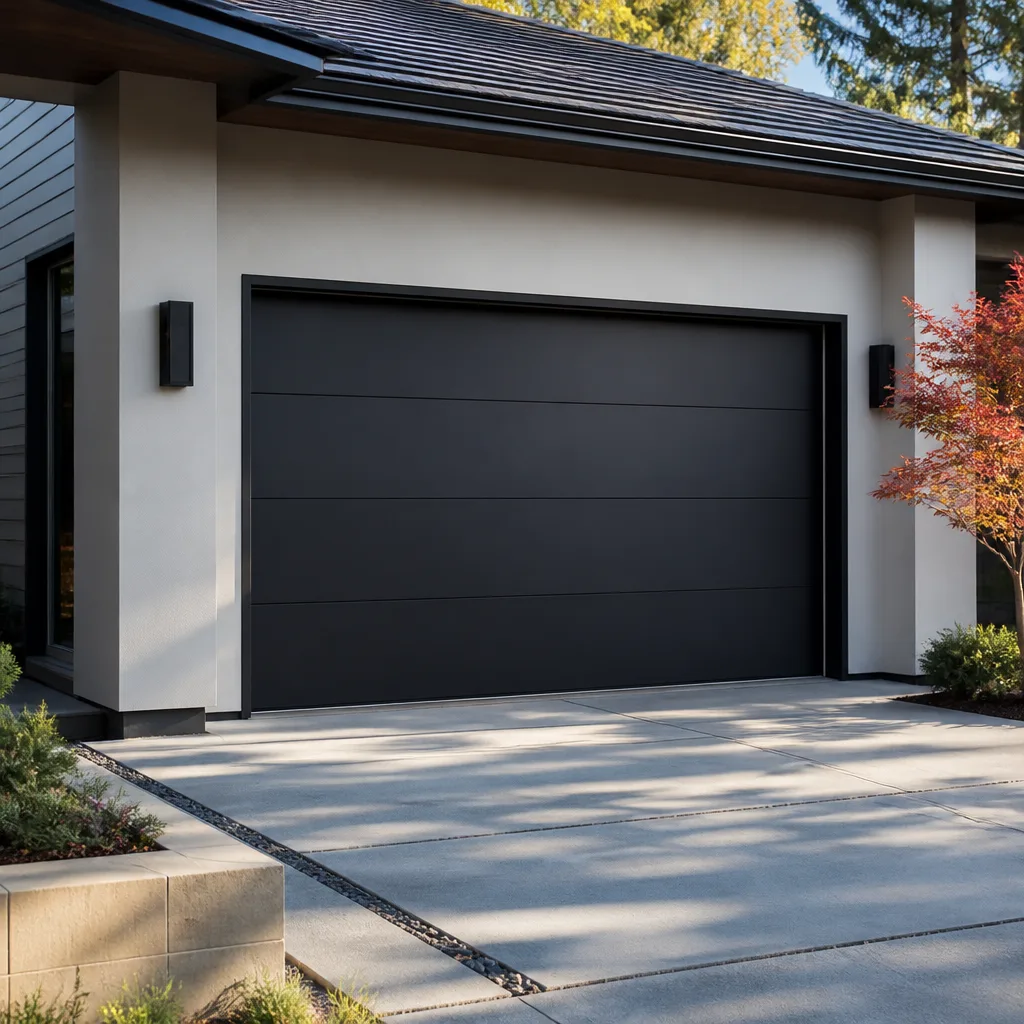 Modern flush
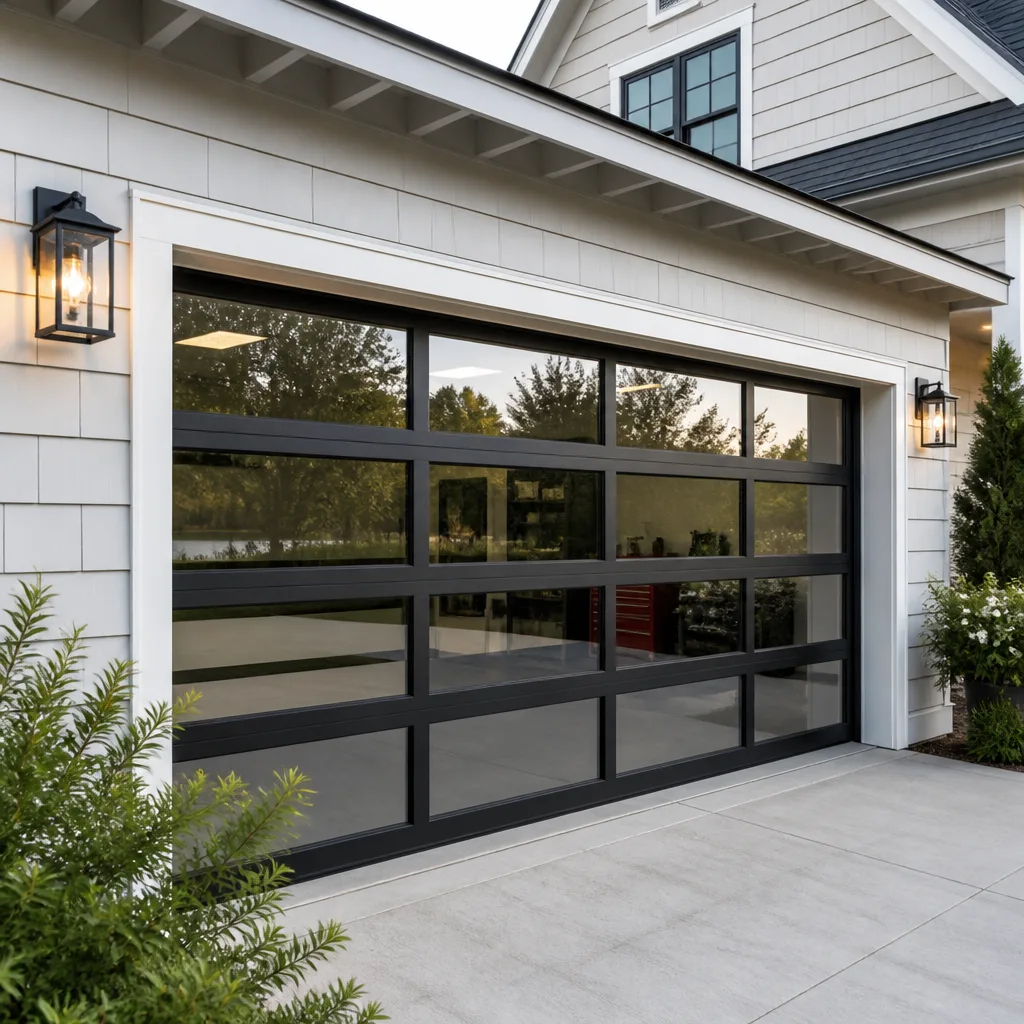 Full-view glass
 LiftMaster openers
 Chamberlain openers
Full 25-point door and opener safety check with every visit - springs, cables, rollers, tracks, and your LiftMaster or Chamberlain opener included
You get a price before we start. It does not change when the truck arrives.
Get your free estimateGenie Roller Replacement: The San Antonio Owner’s Guide
Genie roller replacement in San Antonio typically runs $110 to $220 installed, and most swaps take under an hour once we’re on site. We stock Genie-compatible rollers on the truck, so in most cases there’s no second visit or parts-order delay. You’ll usually discover the problem as a grinding, popping, or shuddering noise as the door moves, or a visible wobble in one section of the door itself.
Most San Antonio homeowners first notice the sound: a low rumble that turns into a series of pops as each roller passes through the track curve. By the time you hear it plainly, at least one roller has lost its bearing surface and is dragging metal-on-metal. That’s the point where the door still opens, but every cycle is chewing up the track and stressing the opener motor. Aaron Teague has pulled rollers out of doors in Alamo Heights and Stone Oak that were worn completely flat on one side, with the ball bearings long since turned to dust.
Which Genie Models This Applies To
Genie roller replacement covers essentially every residential Genie door system sold in the last three decades, from the IntelliG series through the ReliaG and the current TriloG line. That’s because Genie manufactures openers and door hardware as separate product families, and residential doors themselves are built on standard 2-inch and 3-inch roller stems. What matters is not the Genie opener model you have bolted to the ceiling; it’s the roller stem diameter on the door itself.
Here’s the compatibility gotcha most owners miss: Genie-branded doors from the 1990s and early 2000s frequently used 7/16-inch stems, while most modern doors use 11/32-inch. A roller with the wrong stem diameter will fit into the hinge hole and immediately bind or fall out under load. We measure the stem and wheel diameter on every call, because guessing wrong here can damage the hinge barrel.
Two options exist for the replacement itself. OEM Genie rollers are drop-in correct and carry the manufacturer’s stamp. Quality aftermarket rollers from suppliers we’ve used for over a decade, often with sealed bearings and nylon wheels, typically cost less and in Texas heat tend to outlast the original steel-wheel rollers that came with many Genie doors. We’ll show you both options before any work begins, and we’ll recommend the one that matches how your door actually gets used, not the one with the higher ticket.
Styles & brands we work with
Signs Your Genie Roller Replacement Is Failing
- Popping or grinding noise during operation. The bearing inside the roller has failed, so the wheel no longer spins freely. It drags across the track, and that dragging is what you hear as a series of pops.
- Visible wobble or side-to-side play. A roller with a worn bearing lets the door section shift laterally as it moves. You can see this from inside the garage: the door panel will shimmy slightly at the roller location.
- Uneven wear on the track. When a roller stops rolling and starts scraping, it leaves bright metal scoring on the inside edge of the track. If you see shiny grooves on one side, the roller above that spot is done.
- Door hesitates or binds at one point. A seized roller acts like a brake at one specific position in the travel arc. The opener motor strains, the door pauses, then it jerks past the bad roller.
- Rubber or nylon wheel is visibly cracked or missing chunks. San Antonio heat is brutal on nylon. We see rollers in certain West Side and Leon Valley homes where the wheel has literally split and shed pieces into the track.
See the difference
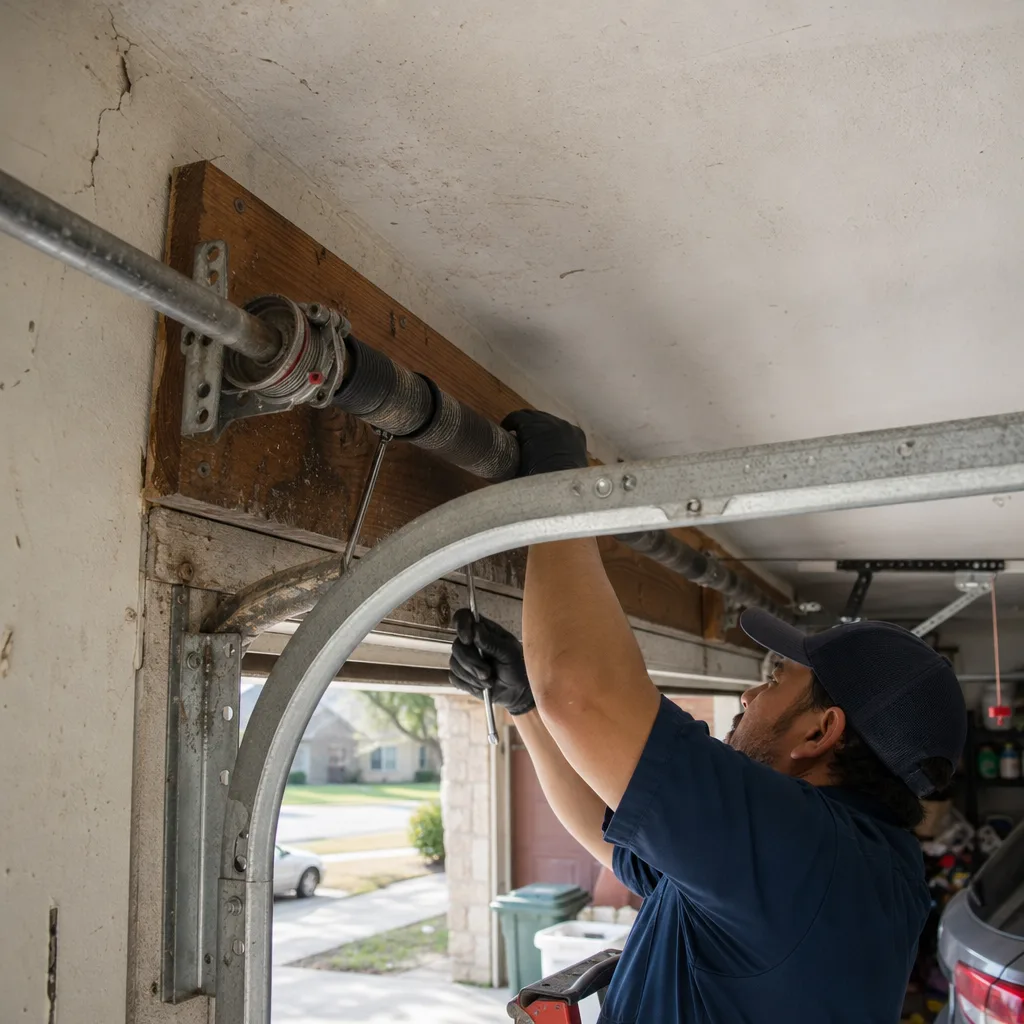 Before
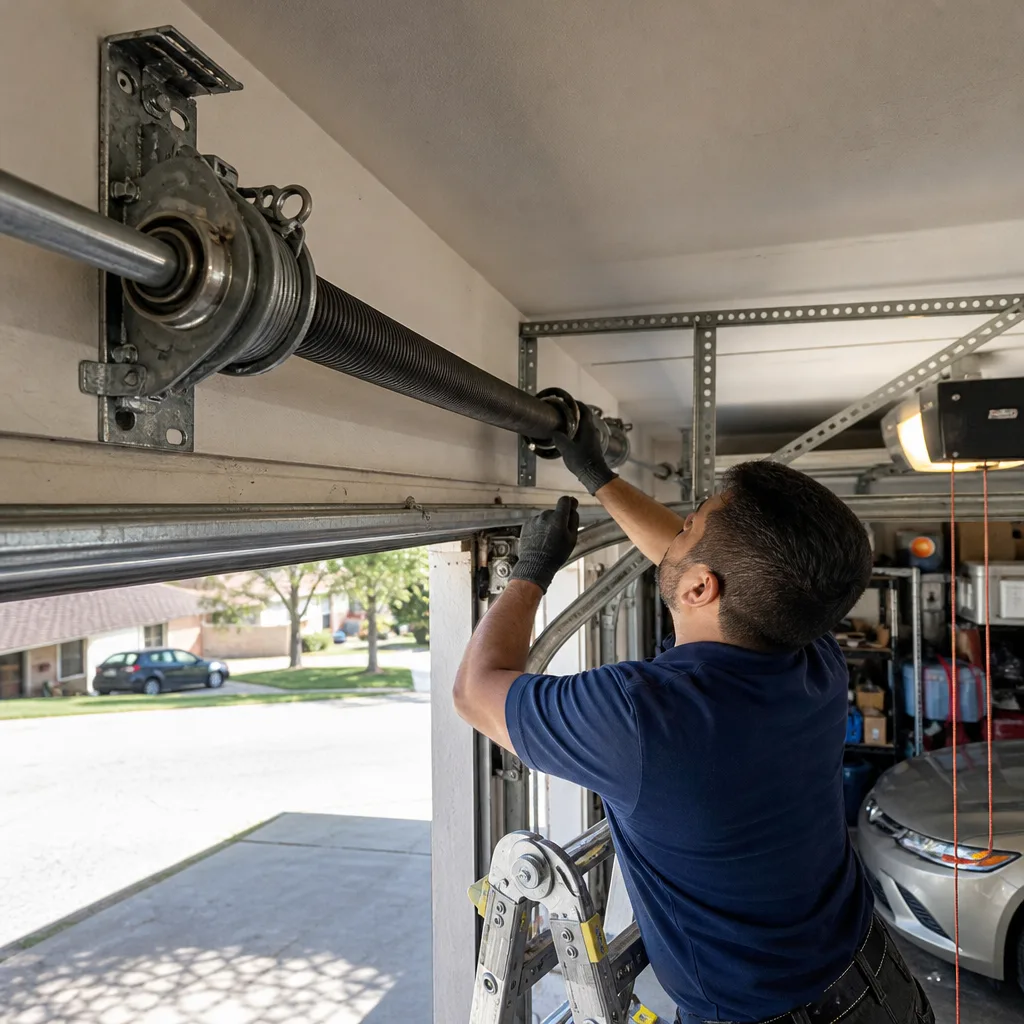 After
After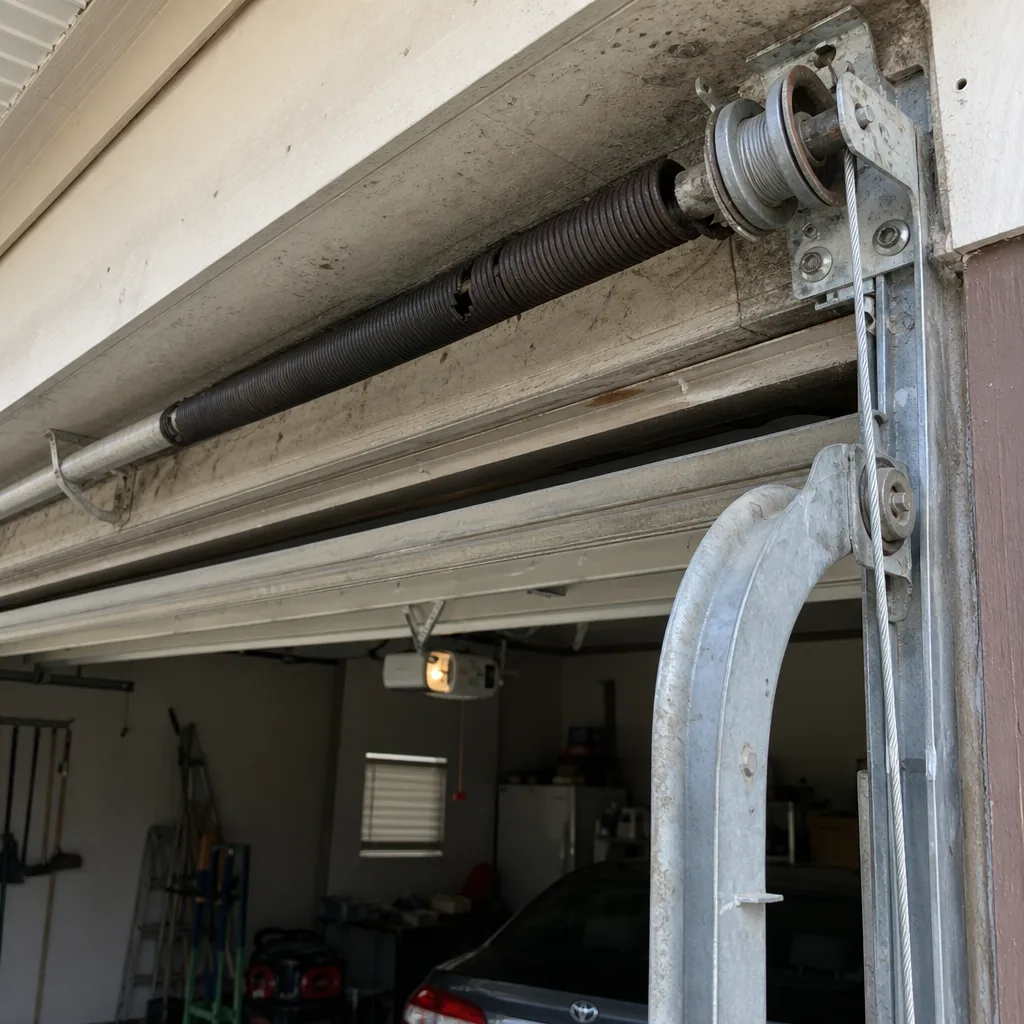 Before
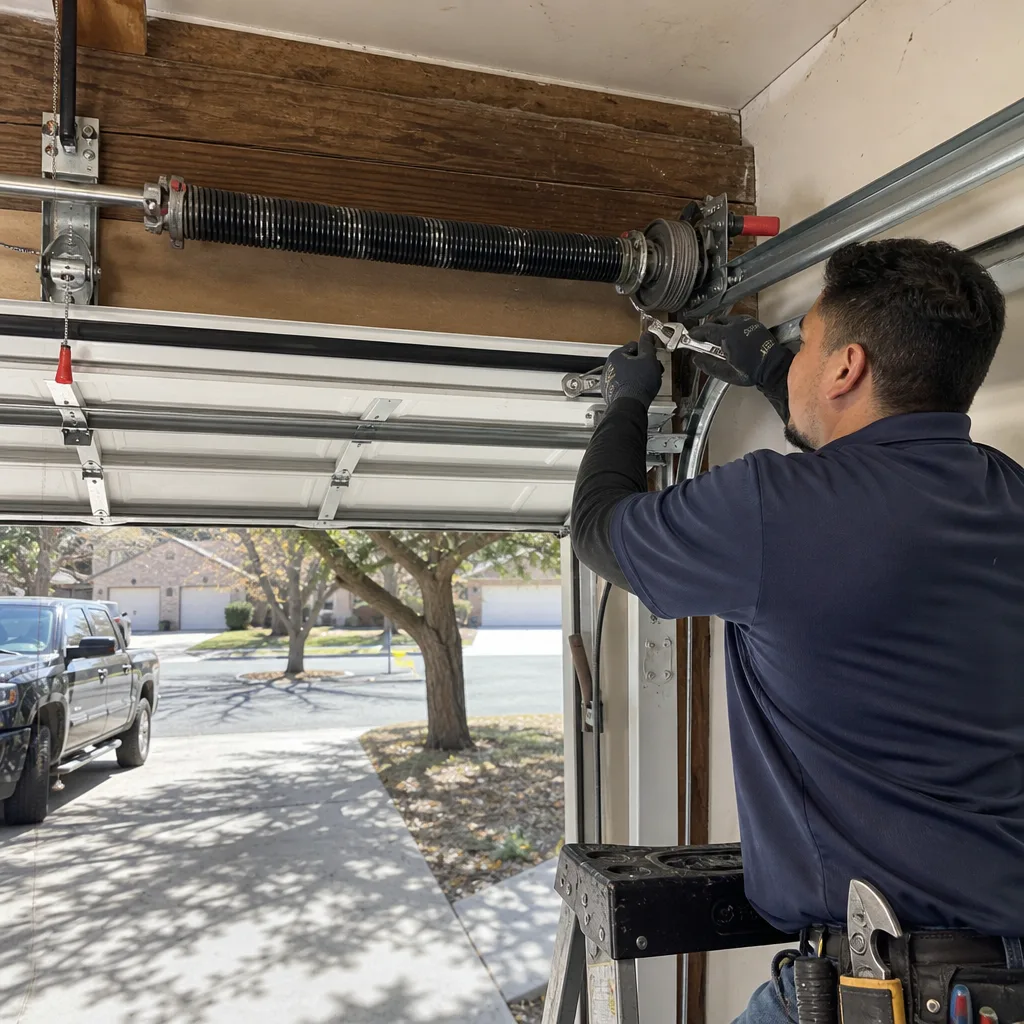 After
After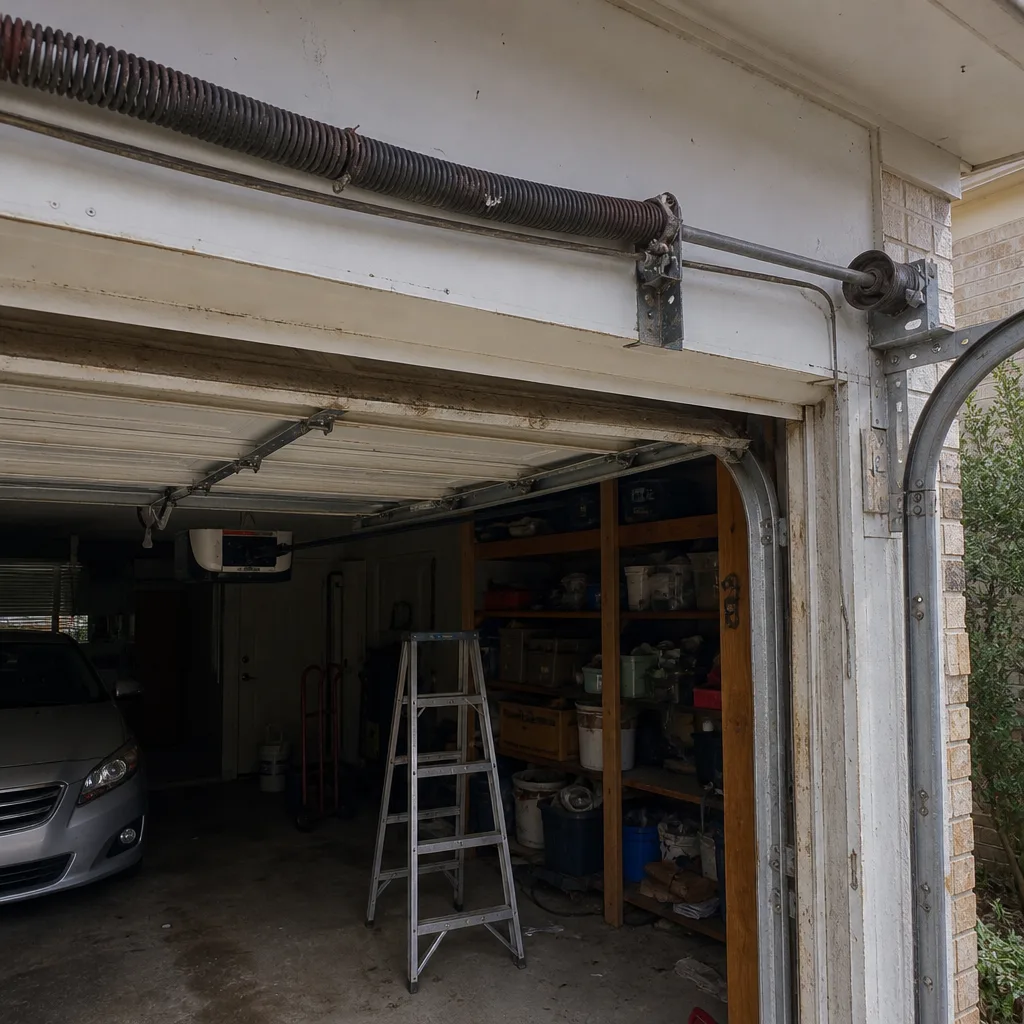 Before
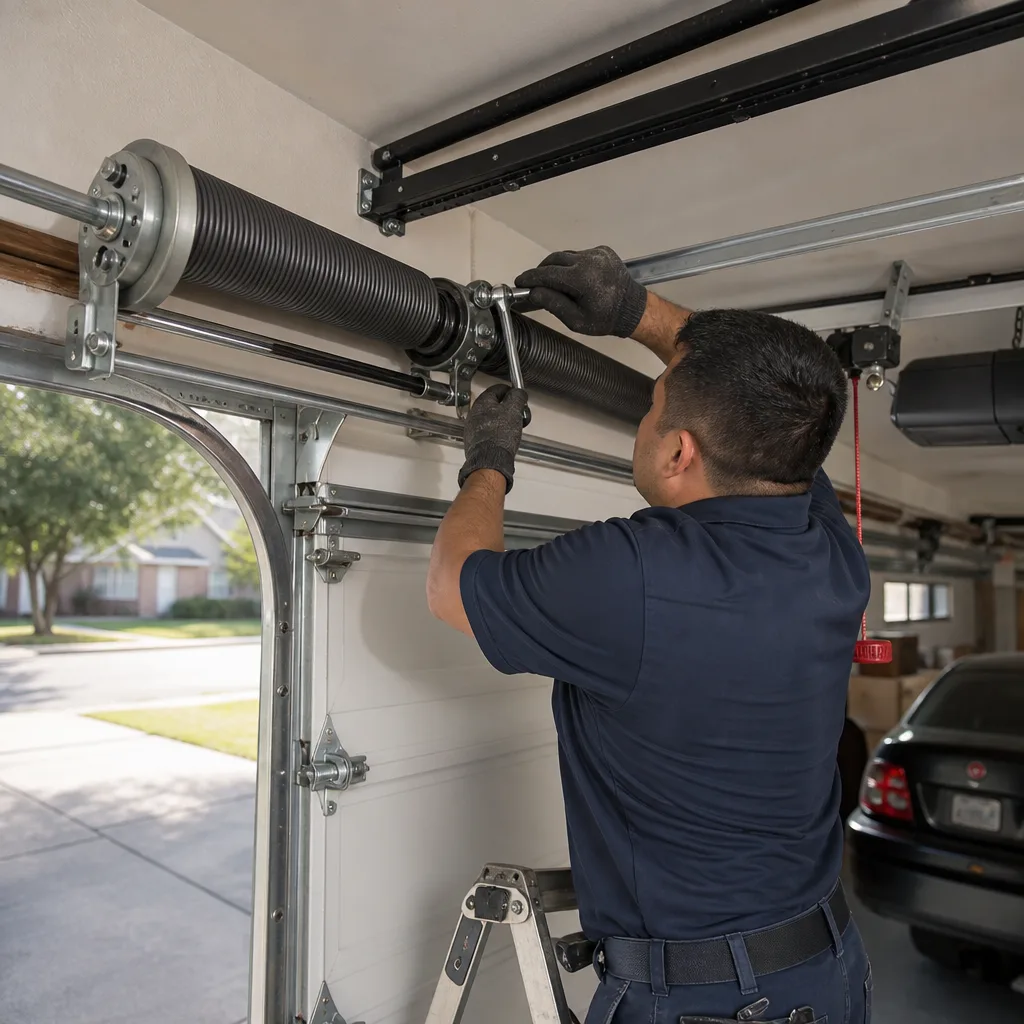 After
AfterReplacement Cost & What’s Included
In San Antonio, expect to pay between $110 and $220 for Genie roller replacement, and that range covers most residential doors with 10 to 12 rollers. The lower end reflects a standard nylon-wheel roller swap on a door in good condition. The higher end accounts for upgraded sealed-bearing rollers, doors with 14 or more rollers, or cases where we need to pull a section of track to access a seized roller safely.
Every quote you get from Doyle Garage Doors San Antonio is written down and handed to you before we touch a single bolt. That price includes the parts, the labor, and cleanup, and it’s the price you pay at the end, not a starting figure. The work carries our full 365-Day Done Right Promise: if any roller we install fails within a year, we come back and make it right at no charge, including a free second visit if the repair doesn’t hold. No argument, no fine print. We’re an independent service provider and not affiliated with Genie, but we’ve been installing Genie-compatible hardware since 2001 as part of the Threshold Group family.
DIY or Call Us?
There are two types of rollers on a residential door: top fixtures and bottom fixtures. The bottom rollers on almost every Genie door are held in place by a bracket under tension from the lift cables, and those are genuinely dangerous to remove. The top rollers can sometimes be popped out by hand if the door is fully open and you have the right tools and patience, but it’s not a casual job.
What we’d rather see a San Antonio homeowner do is this: take a flashlight, look at each roller where it meets the track, and note which ones appear cracked, wobbling, or wearing unevenly. That’s safe. Replacing a bottom roller or any roller on a door with a torsion spring system, the large coil mounted above the door that stores the lifting force, is work where a slipped pry bar can release the spring or drop the door. The risk isn’t worth the $110 to $220 saved. If you’re seeing wear, call us at (806) 491-1594 and we’ll send a technician who’s background-checked, identity-verified under the Threshold Standard, and whose name and photo you’ll have before they arrive.
FAQs
In San Antonio’s heat, standard steel-wheel Genie rollers typically last 5 to 8 years before the bearings start to fail, while upgraded sealed-bearing nylon rollers often reach 10 to 15 years. The heat accelerates lubricant breakdown inside the bearing, which is why we see more roller failures here than in cooler climates. Call (806) 491-1594 and we’ll tell you exactly what’s on your door and how much life it has left.
No, a roller with a worn bearing or cracked wheel is a sealed component and gets replaced as a unit, never repaired. Attempting to re-grease a sealed bearing is temporary at best and often makes the grinding worse as the thinned lubricant attracts dust. A replacement roller is the only fix that restores smooth operation.
A full roller replacement on a standard two-car door takes 45 to 60 minutes once we’re on site, assuming the track and hinges are in usable shape. If we find additional wear, like a bent track section or worn hinge, we’ll show you the written price for that work before proceeding. Call (806) 491-1594 and we’ll schedule a time that works, with same-day availability in most San Antonio neighborhoods.
Yes, our trucks carry Genie-compatible rollers in the common stem diameters, including the 7/16-inch stems found on older Genie doors in San Antonio. We also stock replacement parts for LiftMaster and Chamberlain systems. If you have an uncommon setup, we’ll measure, order, and return, and we’ll tell you that upfront before you commit to anything.
Know what’s wrong, know what it costs, know who’s coming, that’s the whole job. If your Genie door is grinding or wobbling, call Doyle Garage Doors San Antonio at (806) 491-1594 for a free estimate. A live person answers day, night, weekends, and holidays, and you’ll get a written price before any work begins.
Written by Aaron Teague, Owner, Doyle Garage Doors San Antonio at Doyle Garage Doors San Antonio, serving San Antonio and nearby areas.