
Last updated October 16, 2026
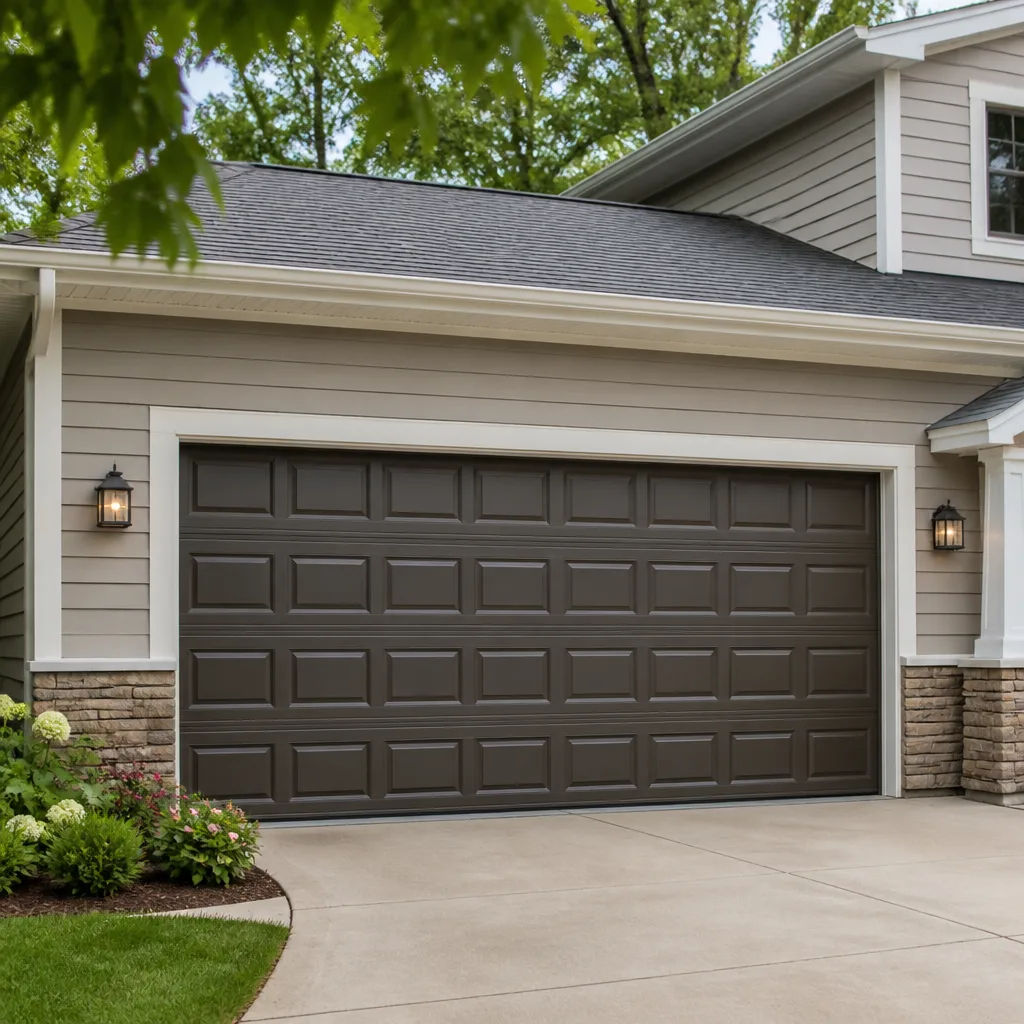 Raised-panel steel
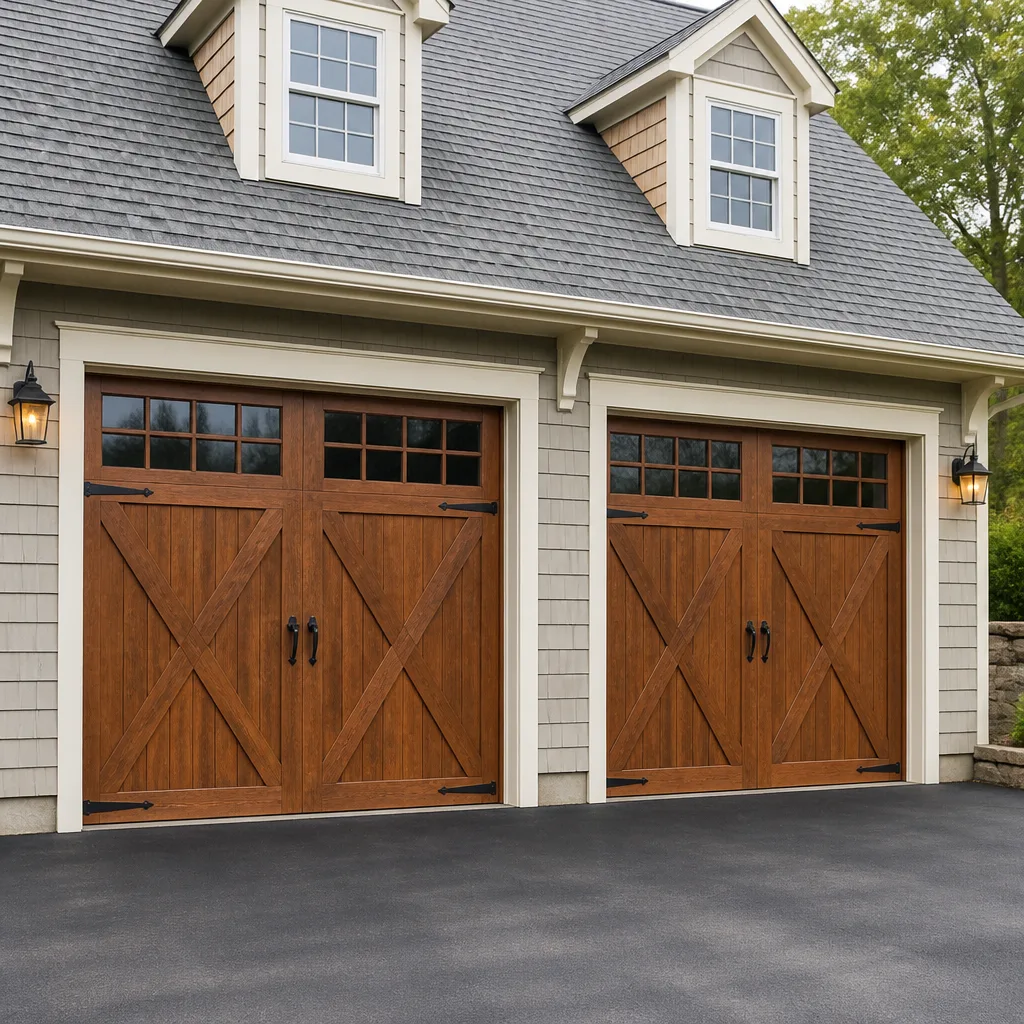 Carriage house
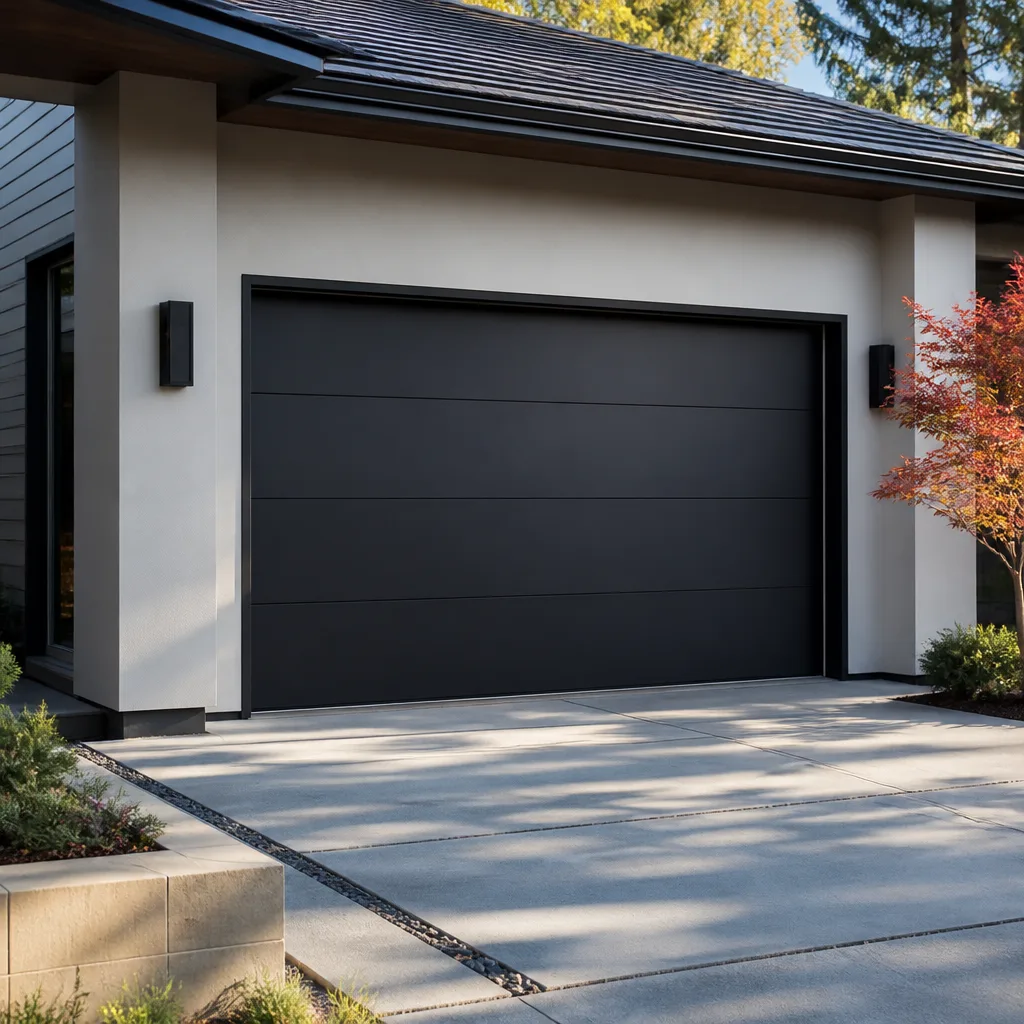 Modern flush
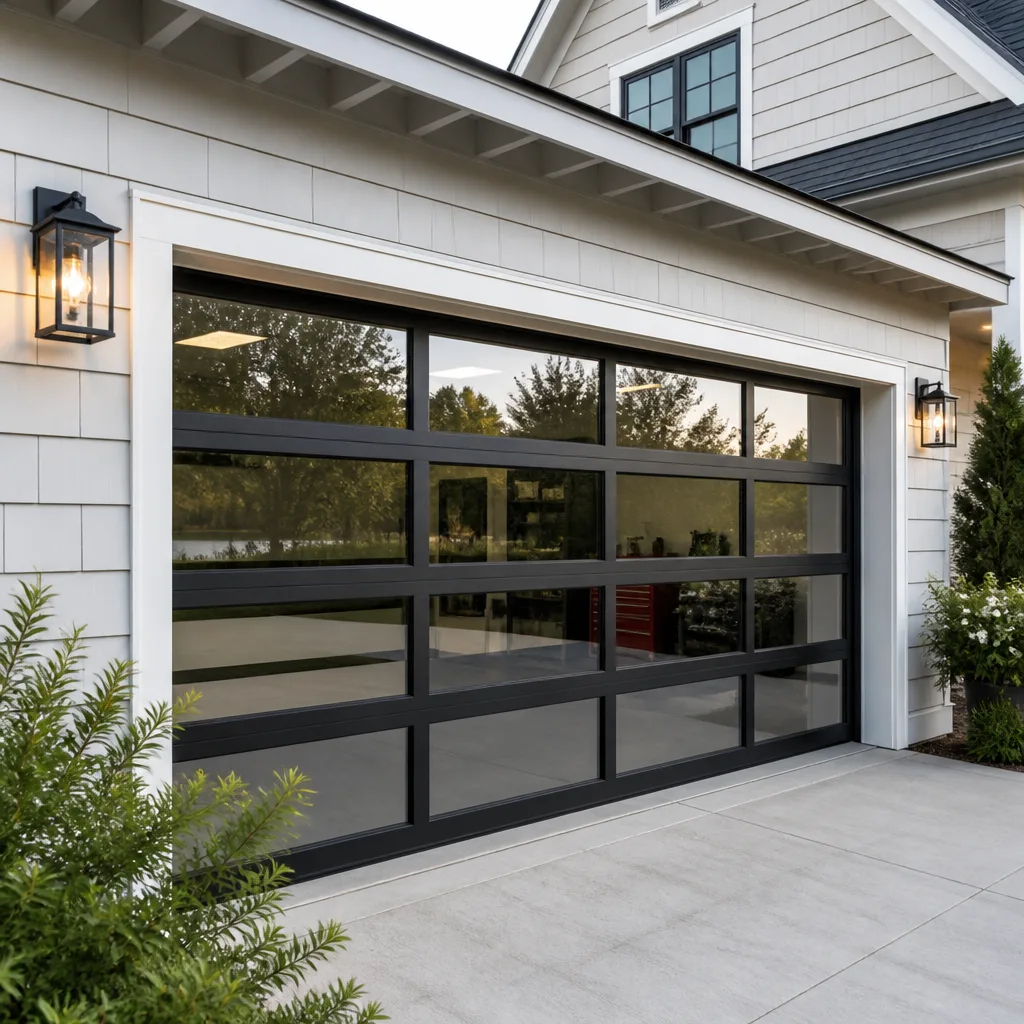 Full-view glass
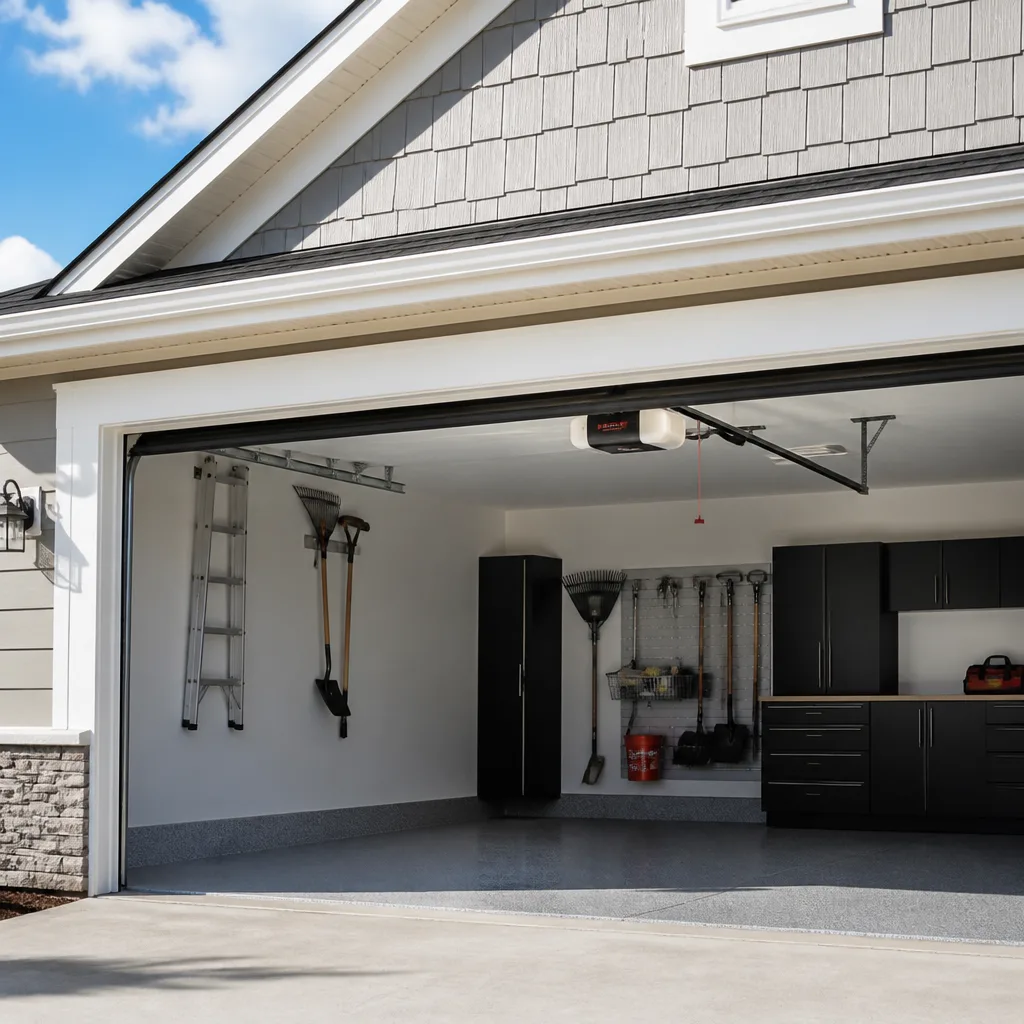 LiftMaster openers
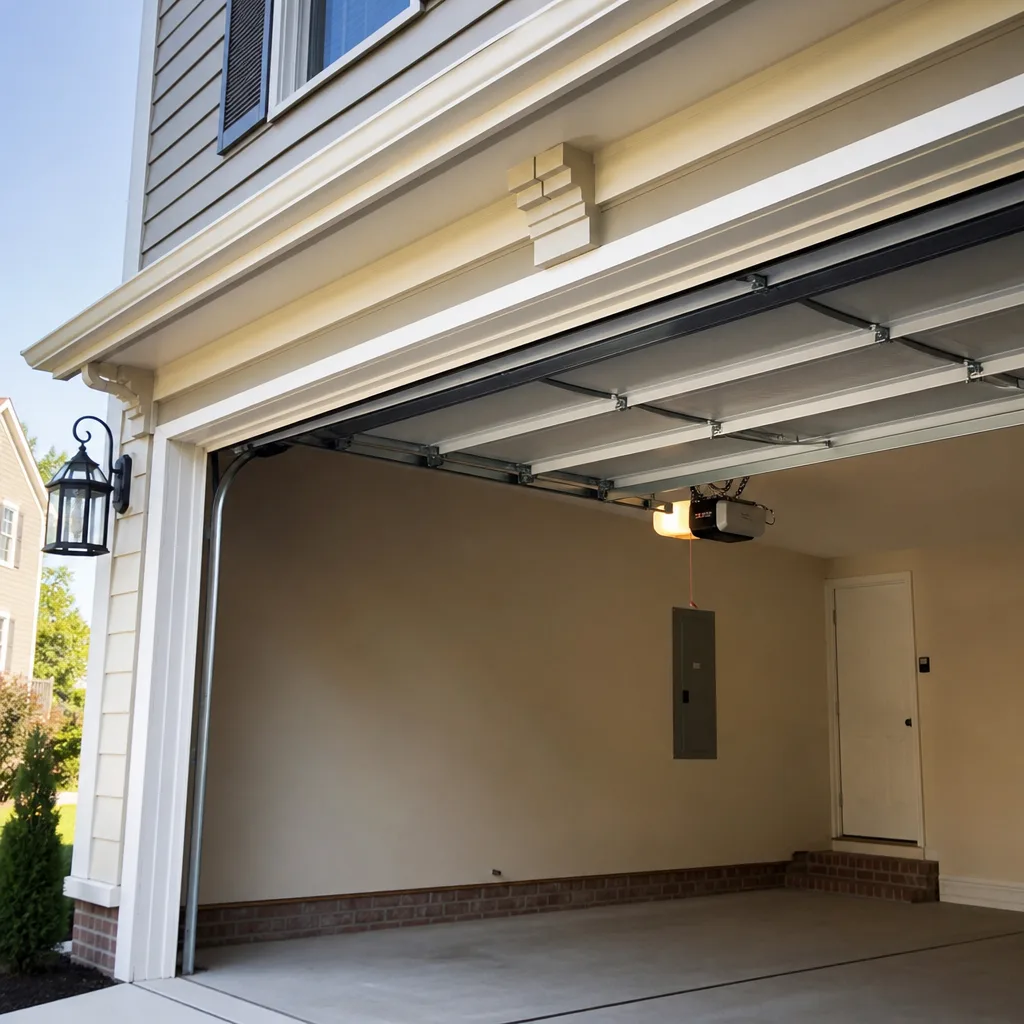 Chamberlain openers
Full 25-point door and opener safety check with every visit - springs, cables, rollers, tracks, and your LiftMaster or Chamberlain opener included
You get a price before we start. It does not change when the truck arrives.
Get your free estimateGarage Door Repair Maintenance Checklist for San Antonio Homeowners
Here’s a counterintuitive fact from 24 years of fixing garage doors in San Antonio: the three repairs that generate the most emergency calls, broken torsion springs, shredded nylon rollers, and stripped trolley carriages, are almost never sudden failures. Each one telegraphs its decline 60 to 90 days in advance if you know what to look for and what to listen for. This checklist is built backward from those actual repair calls we handle through our Garage Door Repair services, not from a manufacturer’s manual. By the end, you’ll know the two physical tests, three sound cues, and one monthly habit that keep a San Antonio garage door running through triple-digit summers and the monsoon season that follows.
Quick Answer
The most important garage door maintenance for San Antonio homeowners is a monthly five-minute inspection: run the door through a full open-and-close cycle while listening for grinding or popping, test the balance by disconnecting the opener and lifting the door to the halfway point, and visually check the rollers for flat spots caused by heat warping. Torsion springs should be lubricated every 90 days with a silicone-based lubricant that holds up above 95°F, and the safety reverse sensors should be tested monthly. Most failures that strand a car in the driveway or leave a door stuck open at 2 a.m. are detectable 60 to 90 days before they happen if you know which signs are meaningful.
Styles & brands we work with
Table of Contents
- The Two Physical Tests That Predict 80% of Emergency Repairs
- Torsion Springs: The Component That Fails First in San Antonio
- Roller Inspection: Why San Antonio Heat Warps Nylon Rollers Into a D-Shape
- Lubrication That Survives a Texas Summer
- The 90-Second Limit Switch Check
- The Documentation Habit That Cuts Repair Time in Half
- Opener Maintenance: What Actually Matters
- Safety Sensor Alignment and Testing
- San Antonio Season-Specific Maintenance Calendar
The Two Physical Tests That Predict 80% of Emergency Repairs
Most San Antonio homeowners discover a garage door problem when the door won’t move at all. By that point, the failure has already happened. The repair is often more expensive than early intervention would have been, and the timing is rarely convenient. The two tests below take under three minutes combined and catch the majority of failures while they’re still cheap to fix.
First, the lift-and-release balance test. Start with the garage door closed. Pull the red emergency release cord, which disconnects the door from the opener trolley and lets you move the door by hand. Now lift the door to about waist height, roughly the halfway point, and let go. A properly balanced door stays put. It doesn’t drift up toward the ceiling, and it doesn’t drop toward the floor. If the door falls, the torsion springs, the large coils mounted above the door that do most of the lifting, are losing tension. If the door rises on its own, the springs are over-tensioned, which strains the opener motor and shortens the life of the entire system. Both conditions are correctable with a simple spring adjustment, but only by a trained technician. The torsion spring is under extreme pressure; a spring that snaps mid-adjustment releases enough force to cause serious injury. This is a test you perform yourself, but it is not a repair you attempt yourself.
Second, the roller-by-roller visual check. With the door in the fully raised position, walk to each side of the door and look at the rollers mounted in the vertical tracks. Rollers on garage doors are small wheels that guide the door along the tracks. In San Antonio heat, nylon rollers, the quiet, white or cream-colored wheel type used on most modern doors, gradually soften and then flatten on one side. A healthy roller is a perfect circle. A failing roller looks like a D, with one flat edge. When a roller flattens, it stops rolling and starts sliding against the track, which grinds down the track metal and eventually shatters the roller bearing. You’ll hear it before you see it: a rough, gravelly sound when the door moves. Flat rollers are the second most common cause of emergency calls we respond to in neighborhoods like Alamo Heights, Stone Oak, and Helotes, because the heat accelerates the plastic breakdown in a way that manufacturer maintenance schedules don’t anticipate.
Both tests reveal problems 60 to 90 days before failure. That window is the difference between a scheduled repair during business hours and an emergency call at night.
Torsion Springs: The Component That Fails First in San Antonio
The torsion spring is a large, tightly wound coil mounted horizontally above the garage door opening. It stores the mechanical energy that makes the door feel light enough to lift. Most torsion springs are rated for 10,000 cycles, which is an industry term meaning complete open-and-close operations. A family that cycles the door four times a day, morning departures, afternoon returns, evening errands, gets roughly seven years from a standard spring in a mild climate. San Antonio heat and humidity shorten that lifespan somewhat because the spring steel expands and contracts with temperature swings, which accelerates fatigue. In our service area, a standard spring typically lasts five to six years under normal use.
The warning signs of a failing torsion spring are specific and detectable. Listen for a loud pop or bang when the door moves; that sound is a partial coil snapping under tension. Look for a visible gap in the spring coil itself, a space that shouldn’t be there. Watch the door during opening; if one side rises slightly faster than the other, the springs are unbalanced, which means one is carrying more weight than the other and will fail first.
Replacing a torsion spring is not a homeowner maintenance task. The spring holds hundreds of pounds of torque even when the door is closed. The winding bars used to adjust it can slip and strike with enough force to cause serious injury or death. If you detect any of the warning signs, keep the door closed if possible, unplug the opener so no one accidentally cycles it, and call a professional. A torsion spring replacement in San Antonio typically costs between $180 and $340 depending on the spring size and cycle rating. At Doyle Garage Door Repair in San Antonio, we carry springs rated for 20,000 cycles as an upgrade option, which translates to roughly 10 to 12 years of service in this climate.
Roller Inspection: Why San Antonio Heat Warps Nylon Rollers Into a D-Shape
Nylon rollers are the standard on garage doors installed in the last 15 years because they are quieter than steel. But nylon is a plastic, and San Antonio summers push garage interiors past 110°F when the door is closed and the afternoon sun is on the west-facing panel. At those temperatures, cheap nylon rollers lose dimensional stability, meaning they stop holding a perfect circle. The bearing inside the roller still spins, but the outer wheel deforms. A deformed roller no longer rides the track evenly. It flattens where it meets the track and thumps with every revolution. That thump-thump-thump rhythm during operation is the sound cue most homeowners notice before they ever look at the wheels.
The fix is straightforward: replace the rollers before they shatter. In a high-heat climate like San Antonio, the practical replacement interval for standard nylon rollers is three to four years, not the five to seven years manufacturer charts suggest for temperate regions. When you replace, ask for rollers with sealed ball bearings and a reinforced nylon or steel core. The difference in cost is modest, typically $12 to $20 per roller installed, and the lifespan in Texas conditions is better than double that of bargain rollers.
To inspect your rollers, raise the door fully and stand to one side. Look at each roller, the small wheels mounted in the track, from a low angle so you can see the profile. A healthy roller is evenly round, like a coin. A failing roller has a flat chord on one side, the D-shape mentioned earlier. If you see any flat spots, replace all rollers on that side at once rather than one at a time. Rollers wear as a set, and replacing one means the others are close behind.
Lubrication That Survives a Texas Summer
The most common garage door lubrication mistake in San Antonio is using white lithium grease. It is inexpensive and available at every hardware store, and it is the wrong product for this climate. White lithium grease is a thick, creamy lubricant that picks up dust and road grit, and in heat above 95°F it thins out and runs off the surfaces it is supposed to protect. The result is a door that is loud and a track that is gummy with accumulated debris.
What works in San Antonio heat is a clean, silicone-based spray lubricant or a dedicated garage door lubricant designed for high-temperature operation. Silicone spray penetrates the hinge pins and roller bearings without leaving a sticky film that attracts grit. Apply it every 90 days to the following points: the torsion spring coils above the door, the hinge pins on each door panel, the roller bearings, and the opener chain or screw drive if your opener uses one. Avoid spraying the track itself. A lubricated track causes the rollers to slide instead of roll, which accelerates flat-spotting. A dry track with well-lubricated rollers is the correct setup.
One more San Antonio-specific note: after the spring rains, dust and pollen blow through open garages and cling to freshly lubricated parts. If you lubricate in March, plan to wipe down the hinges and reapply in June, before the real heat settles in. The lubrication schedule that works in Ohio does not survive a San Antonio July.
The 90-Second Limit Switch Check
The limit switch is a small mechanism inside the opener motor that tells the door when to stop, both at the fully open and fully closed positions. When the limit switch drifts out of adjustment, the door either stops short of closing completely, leaving a gap at the bottom, or over-travels and reverses immediately after touching the floor. Both conditions are frustrating, and both are detectable before they strand you.
The check takes 90 seconds once a month. Stand in the garage and close the door using the wall button, not a remote, so you can watch the full cycle. Watch the door as it approaches the floor. It should meet the weather strip evenly, compress the rubber seal slightly, and stop. It should not slam, and it should not bounce back up. Then open the door fully and watch it stop at the upper limit. It should stop with the door level with or slightly below the header, not slam into the back of the tracks.
If the door reverses on its own when closing, the limit switch or the safety sensors are the two most likely culprits. Limit switches on most modern openers, including Chamberlain and Genie models, can be adjusted with a flathead screwdriver following the steps printed on the opener housing. But if the door is slamming or reversing irregularly and you are not comfortable adjusting the switch yourself, a technician can correct it in a single visit. The cost of a limit switch adjustment in San Antonio typically runs $75 to $120 when bundled with a full door tune-up.
The Documentation Habit That Cuts Repair Time in Half
The single highest-leverage maintenance habit we recommend to San Antonio homeowners is photographing the serial plate on the torsion spring assembly and the model number sticker on the opener motor. The serial plate is a small metal or plastic tag attached to the spring anchor or the door header. The opener model number is typically printed on a sticker on the side of the motor housing.
Why this matters: when a spring breaks or an opener fails, the technician needs to know the exact spring diameter, wire gauge, and cycle rating, or the exact opener model, before sourcing the replacement part. Without that information, the first visit is a diagnostic visit. The part is ordered, and a second visit is scheduled. With a photo of the serial plate, a technician can pre-source the correct spring or opener board before ever pulling into your driveway. The repair that would have taken two trips and several days becomes a single visit.
Take the photos now, while the door is working. Store them in a folder on your phone called “Garage Door” along with any receipts for previous service. When you call about a broken spring, the dispatcher will ask you to text the photo. We use the serial plate to identify spring dimensions and cycle count, which lets us quote an accurate price over the phone, in writing, before the technician arrives.
Documentation is the least expensive maintenance step on this list, and it is the one that most directly reduces repair time when something does fail. If you do nothing else from this guide, take the photos.
Opener Maintenance: What Actually Matters
Garage door openers in San Antonio live a hard life. The motor works against the weight of the door, the heat of the garage, and the accumulated dust of a dry climate. Openers are also the most over-maintained component in the average home, in the sense that people focus on things that do not matter while ignoring the one thing that does.
The things that do not matter: lubricating the opener rails on a belt-drive or screw-drive model is generally unnecessary and can attract grit. Cleaning the plastic housing is cosmetic. Replacing the battery in the remote four times a year is pointless. The thing that actually matters is the opener’s relationship with the door it is moving. An opener that struggles against a poorly balanced door burns out its motor years early. An opener that slams the door into the floor because the limit switch is off beats its own gears to death. An opener operating a door with flat rollers works harder on every cycle.
So the opener maintenance that matters is the maintenance of the door itself: balance, rollers, spring tension, and lubrication. Do those four things and the opener will last its full rated life. Many San Antonio homeowners replace openers not because the opener failed, but because a neglected door killed it. A door tune-up costs far less than a new garage door opener repair in San Antonio, which typically runs $150 to $400 depending on the fault, and a full opener replacement starts around $400 for a basic model and climbs from there.
One additional opener-specific check: inspect the drive belt or chain for slack. A loose chain or belt slaps against the rail during operation and creates a chattering sound. On most LiftMaster and Chamberlain models, the tension is adjustable with a single nut on the trolley carriage. A chain that has stretched significantly is a sign the opener has been working against a heavy, unbalanced door.
Safety Sensor Alignment and Testing
Safety sensors are the two small units mounted near the floor on either side of the garage door opening. They project an invisible beam across the doorway. If anything breaks that beam while the door is closing, the door reverses. This is a federal safety requirement and the single most important mechanism on the door for protecting children and pets.
San Antonio garages are dusty, and dust on the sensor lenses is the number one cause of false reversals and non-closing doors. The monthly check: wipe both sensor lenses with a dry microfiber cloth. Do not use water or glass cleaner, which can leave a film that interferes with the beam. Then test the sensors by starting the door closing and passing your foot through the beam at shin height. The door should reverse immediately. If it does not, do not use the door until the sensors are repaired.
Misaligned sensors are the second most common sensor issue. The sensors are mounted on small brackets that get bumped by bicycles, garbage cans, and car doors. If the sensor mounting brackets are loose, the beam falls out of alignment and the door will not close at all, or it closes only when you hold the wall button. The fix is usually simple: tighten the bracket and aim the sensors at each other until the indicator light on each unit glows steady. If the lights blink, the beam is not aligned. If a sensor is damaged or fails entirely, replacement is a quick, inexpensive job that any qualified technician can handle in a single visit.
For a deeper walkthrough of opener-specific issues including sensors, limit switches, and drive mechanisms, our garage door opener repair page for San Antonio covers the full troubleshooting sequence.
San Antonio Season-Specific Maintenance Calendar
San Antonio has two seasons that matter for garage doors: the hot season, which runs roughly May through September, and the season of rapid change, which runs March through April and October through November. Maintenance that is timed to these windows prevents the most common seasonal failures.
In late February or early March, before the heat arrives, do the following: lubricate all moving parts with silicone spray, inspect all rollers for D-shape flat spots, test the door balance, and photograph the serial plates if you have not already. This is also the time to check the weatherstrip at the bottom of the door. The rubber strip cracks in winter and fails in summer. Replace it if it is brittle. The cost is under $30 for the material and it keeps dust, rain, and 100°F air out of the garage.
In early June, after the spring rains have blown through, wipe down the hinges and rollers and re-lubricate lightly. The wet-dry cycle of spring accelerates rust on metal parts and breaks down the first application of lubricant. Reset your limit switch check to a June schedule so you catch any drift before the real heat arrives.
In October, as temperatures begin to drop, run the full maintenance checklist one more time. The first cold snap of the year is when torsion springs that were weakened over the summer finally snap. The thermal contraction of the metal is the tipping point. If your springs are five years old or older, pay particularly close attention to any popping sounds during operation in October and November. That is the failure warning, and it is better to hear it and schedule a replacement than to open the door one morning and hear the spring break.
If the day comes when you need a full replacement rather than another round of maintenance, our garage door installation page for San Antonio walks through materials, insulation values for Texas heat, and realistic pricing for the area.
Common Mistakes to Avoid
- Using white lithium grease in a San Antonio summer. It thins above 95°F, runs off the parts it is meant to protect, and attracts dust. Use a silicone-based garage door lubricant and reapply every 90 days during the hot season.
- Attempting to adjust a torsion spring yourself. The spring holds hundreds of pounds of torque even with the door closed. Wind-up bars can slip and cause serious injury or death. This is the one repair that is never worth the risk of doing yourself.
- Ignoring a popping sound because the door still opens. A popping or banging sound during operation is a torsion spring coil cracking. The door may keep working for weeks, but the spring is already failing. Replacing it before it snaps is cheaper and safer than waiting.
- Lubricating the tracks instead of the rollers. Lubricated tracks cause rollers to slide rather than roll, which accelerates flat-spotting on nylon wheels. The track should be clean and dry. The roller bearings and hinge pins are what need lubrication.
- Replacing only the broken roller. Rollers wear as a set. If one has flat-spotted, the others on the same side are close behind. Replace all rollers on the affected side at once to avoid a second service call.
- Waiting until the door fails to take serial plate photos. The photos take 30 seconds and save an entire repair visit. Take them now, while the door is working, and store them on your phone.
- Ignoring a door that drifts down when released at the halfway point. The balance test is free and takes under a minute. A door that drops at midpoint has weakened springs, which means the opener is working harder than it should on every cycle.
See the difference
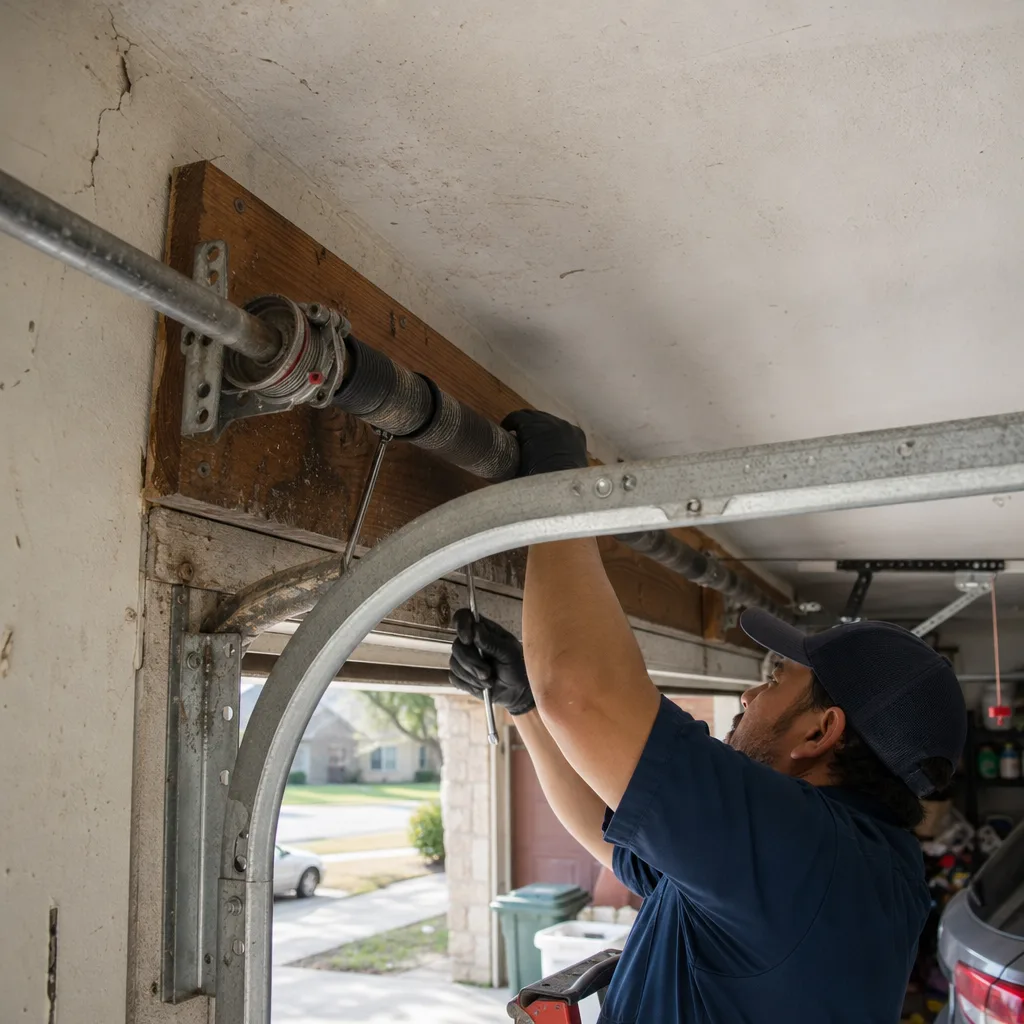 Before
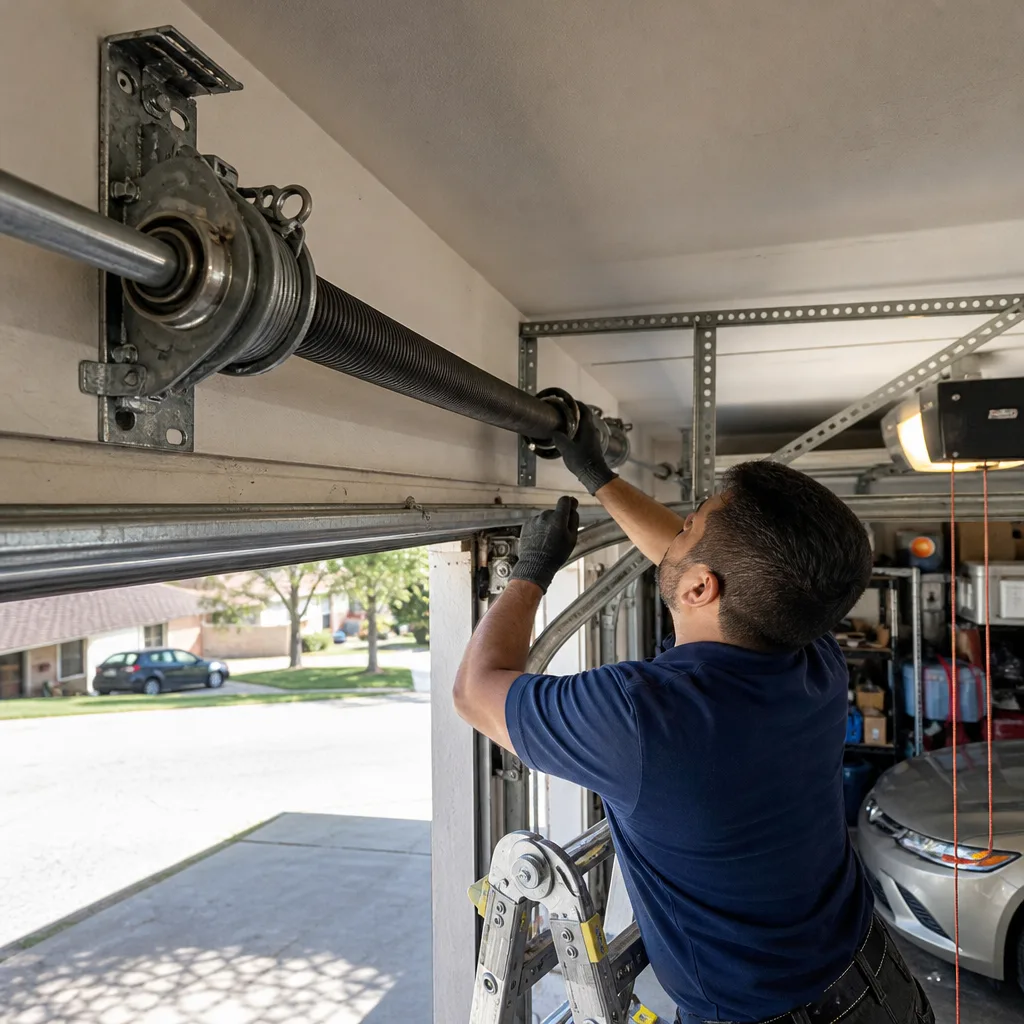 After
After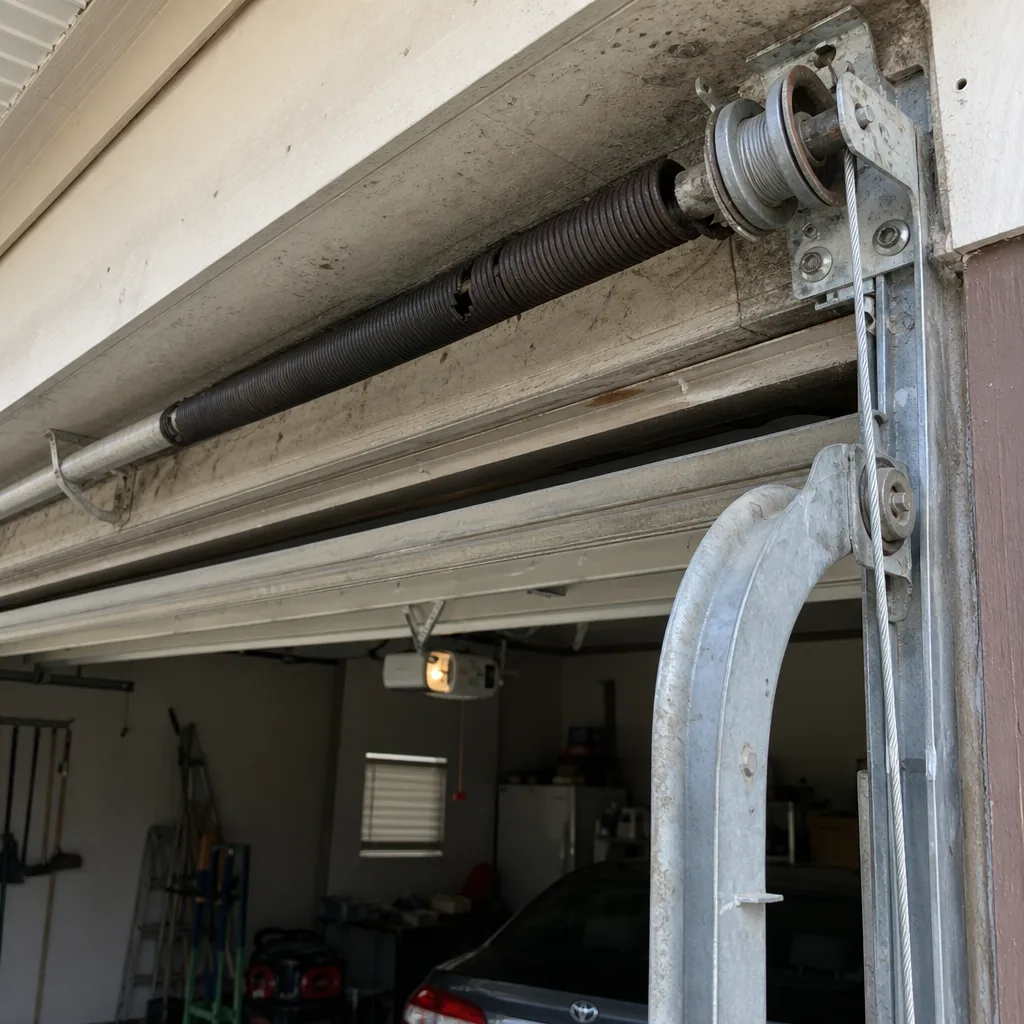 Before
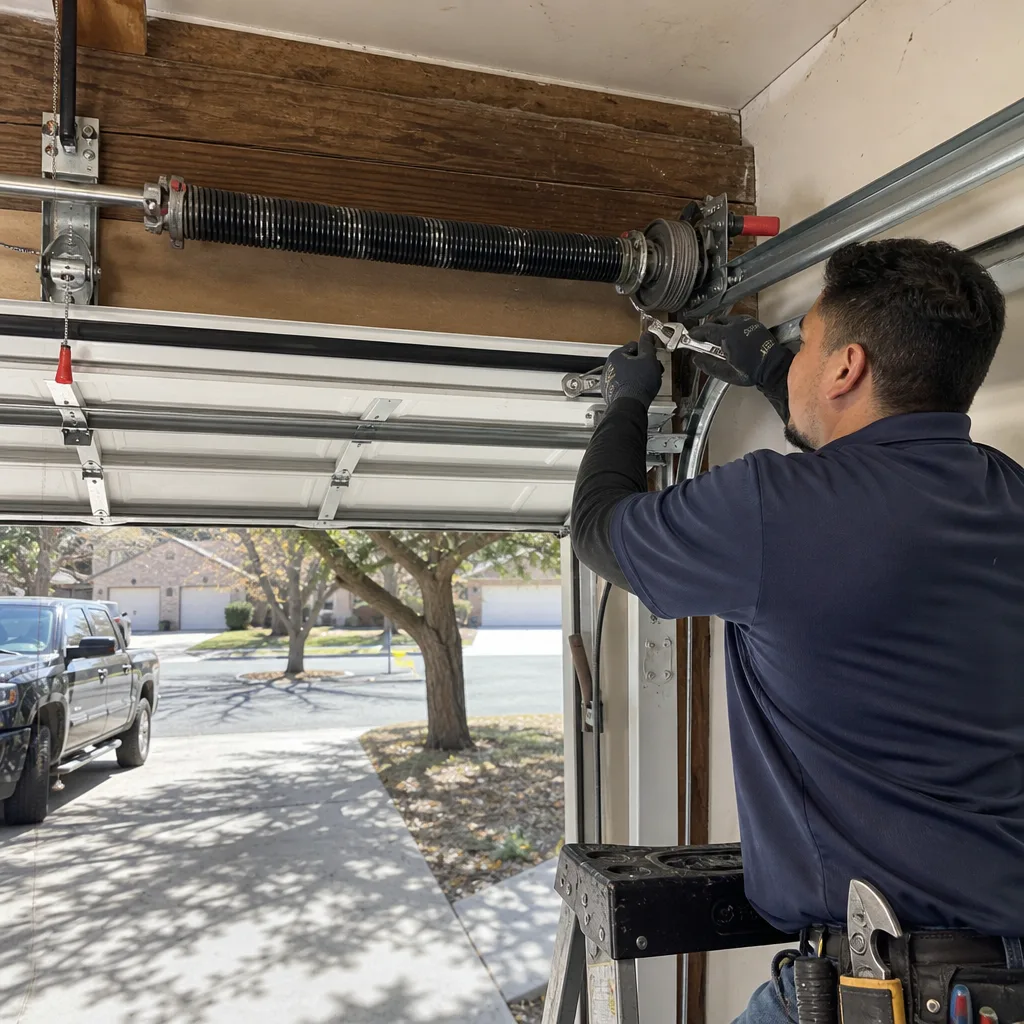 After
After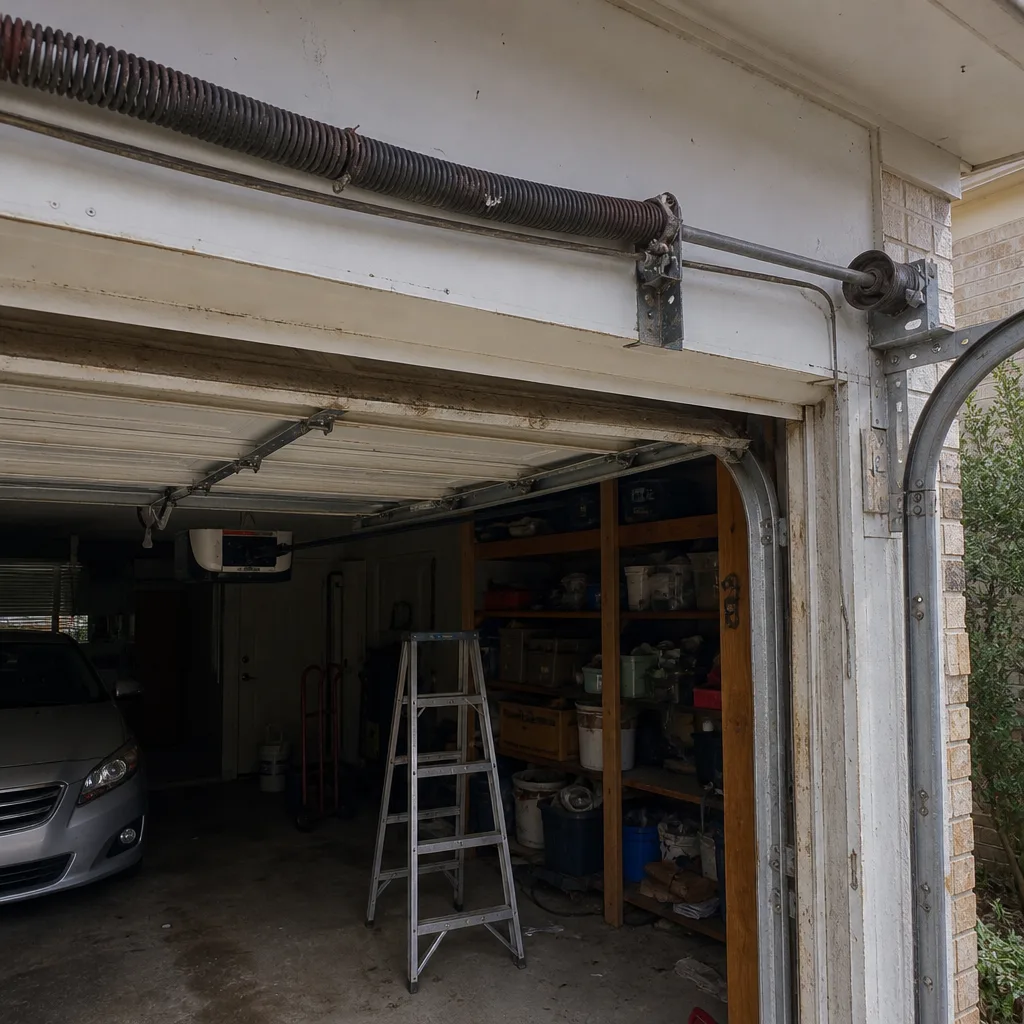 Before
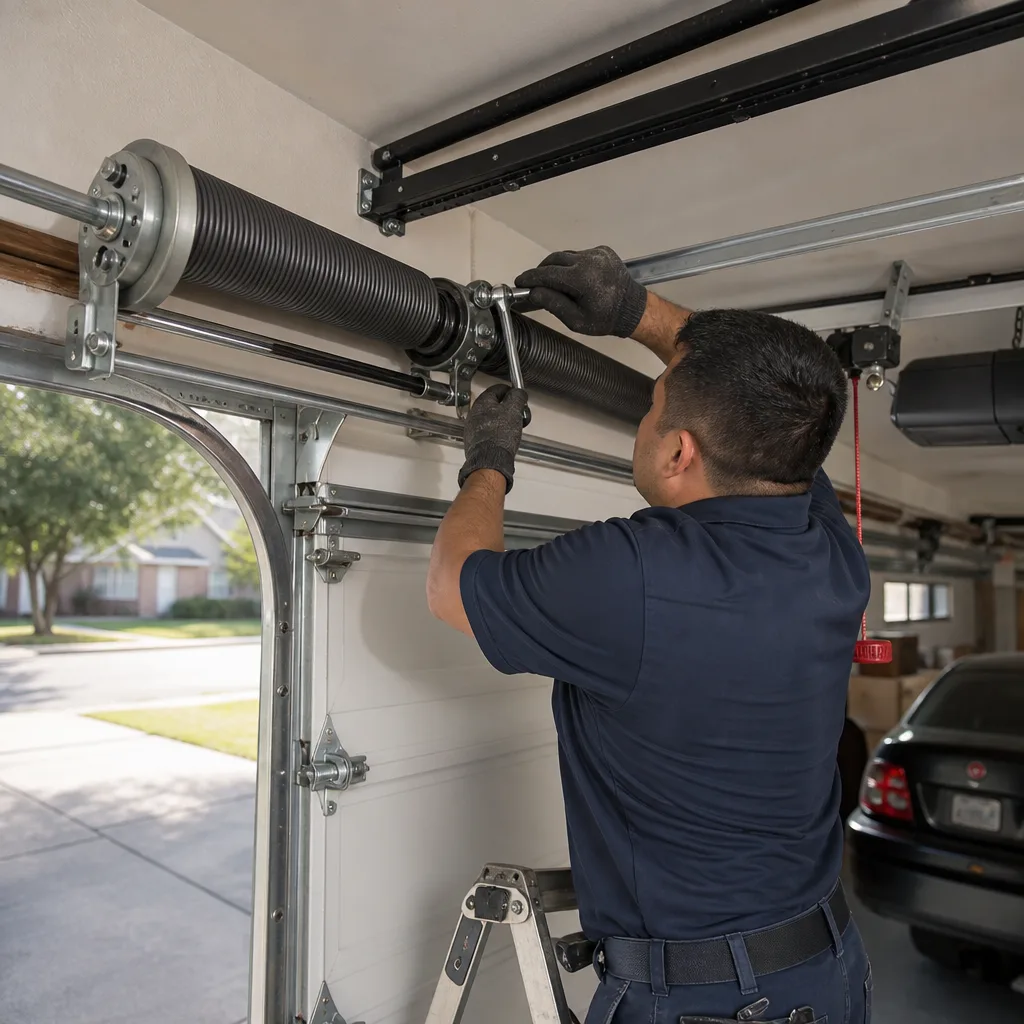 After
AfterWhen to Call a Professional
Some conditions on this list are safe to inspect and unsafe to repair. A torsion spring crack, a snapped cable, a bent track, or a door that has come off its tracks entirely are all conditions that require a trained technician. The force stored in a garage door system is enough to cause serious injury. If you hear a loud pop followed by the door refusing to move, if you see a gap in the torsion spring, or if the door hangs unevenly in the opening, stop using the door entirely, unplug the opener, and call a professional. Doyle Garage Doors San Antonio offers free estimates throughout San Antonio, Alamo Heights, Stone Oak, Helotes, and surrounding areas. Call (806) 491-1594 and a live person will answer, any time of day or night.
Frequently Asked Questions
Lubricate every 90 days during the hot season, roughly March through October, using a silicone-based spray lubricant on the torsion spring coils, hinge pins, roller bearings, and drive mechanism. Avoid white lithium grease, which thins out above 95°F and attracts dust. San Antonio’s heat and spring rains break down lubricant faster than in milder climates, so the 90-day interval matters more here than the six-month interval manufacturer manuals suggest.
The standard torsion spring rated for 10,000 cycles lasts approximately five to six years in San Antonio under normal use, slightly less than the seven-year average in temperate climates because heat and humidity accelerate metal fatigue. Springs rated for 20,000 cycles typically last 10 to 12 years. If your door cycles four or more times a day, or if you park a car in the garage and cycle the door before and after every trip, expect the shorter end of that range. Call (806) 491-1594 for a spring inspection if yours is approaching the five-year mark, and the estimate is free.
A popping or banging sound during operation is almost always a torsion spring coil cracking under tension. The spring may continue to work for weeks after the first pop, but the failure has already started. Stop using the door if you hear a loud pop and the door begins to move unevenly, and unplug the opener. A broken spring is a safety risk and a professional repair.
Replacing rollers requires removing the bottom brackets and hinges, and on the bottom rollers, dealing with the cable that runs through the bracket. The cable is under tension from the torsion spring. If the spring has not been properly de-tensioned, removing a bottom bracket can release the cable suddenly and cause serious injury. For bottom rollers, call a professional. For top rollers, a confident DIYer can sometimes handle the job, but the cost of professional roller replacement in San Antonio, typically $12 to $20 per roller installed, makes it a modest investment for the safety and the warranty. See How to Hire a Garage Door Contractor in San Antonio: A Step-by-Step Guide for tips on choosing the right pro.
A full garage door tune-up in San Antonio typically runs $100 to $180, depending on the number of rollers replaced and the condition of the springs and opener. A torsion spring replacement generally costs $180 to $340. A new opener installation starts around $400 for a basic belt-drive model and goes up from there for smart-enabled openers with battery backup. Doyle Garage Doors San Antonio provides a written price before any work begins, so you know the exact cost before a single bolt is turned.
Disconnect the opener by pulling the red emergency release cord, then lift the door manually to the halfway point and let go. A balanced door stays in place. If the door drops toward the floor, the springs are losing tension. If it rises toward the ceiling, the springs are over-tensioned. Either condition strains the opener and shortens the life of the springs. A balance check takes under a minute and is the single most useful diagnostic you can perform at home.
The Bottom Line
Garage door maintenance in San Antonio is a monthly five-minute routine built on two physical tests and a short list of heat-specific considerations. Test the balance at the halfway point. Look for D-shaped rollers. Listen for popping springs. Lubricate with silicone every 90 days, not with white lithium grease. Check the limit switch and safety sensors monthly. Photograph the serial plates now. Do those things and the emergency call that most San Antonio homeowners dread, the broken spring at 2 a.m. with the car stuck in the garage, becomes a scheduled maintenance visit with a written price and a technician whose name you know before they arrive. If you would rather hand the whole checklist to a professional, Doyle Garage Doors San Antonio offers free estimates throughout the city. For more guides & resources, visit our blog. Call (806) 491-1594 any time. A live person answers, day or night.
Written by Aaron Teague, Owner at Doyle Garage Doors San Antonio, serving San Antonio since 2001.